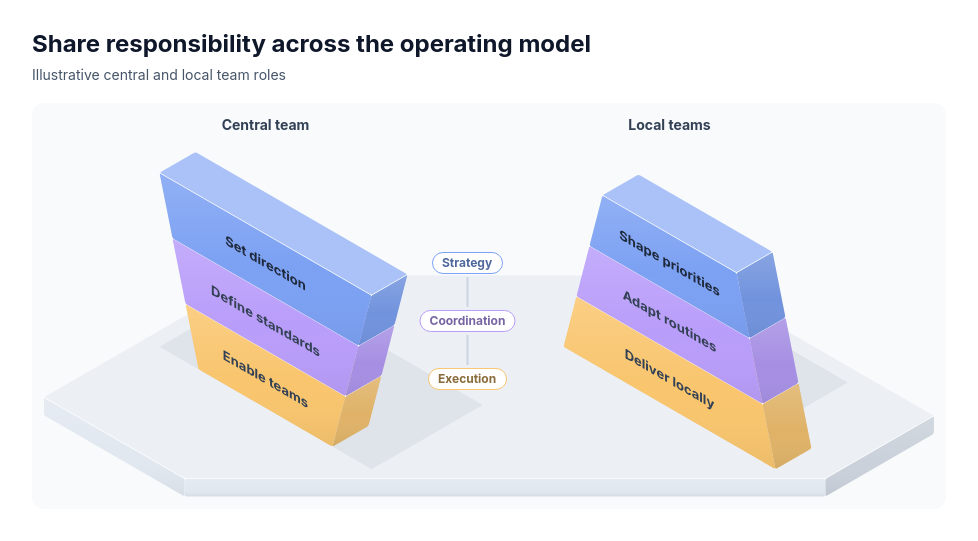
Diagram template
Comparison: isometric opposed pyramid tiers
MaxTwo solid tiered hierarchies taper in opposite directions around one shared level spine. Corresponding colors and aligned tier centers join each level to its two short front-face descriptions.
Categories
Included in
Max
When to use it
Use to compare central and local responsibilities, paired service-tier roles or two learning perspectives at the same ordered levels. Widths and heights are schematic, without numeric contribution, population, importance or a preferred side.
Adjust after generating
Change the style, colors, and font, and these options, as often as you like without spending credits.
- Typography
- Material
What you fill in
Describe your topic in plain words and the AI fills these in. You can edit every field afterwards.
- Before label
- Text
- After label
- Text
- Levels
- 3 to 4, each with label, before, and after
Related templates
All comparison templates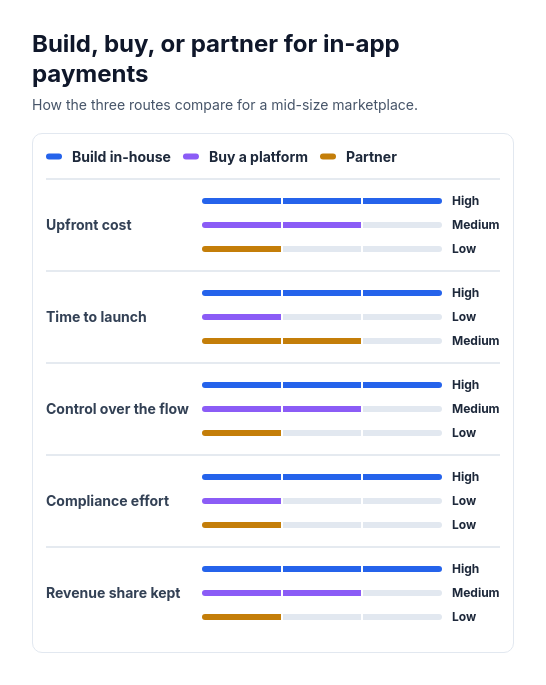 Attribute barsCompare two or three options across three to six attributes that can be scored or rated low, medium, or high, such as cost, speed, and effort.
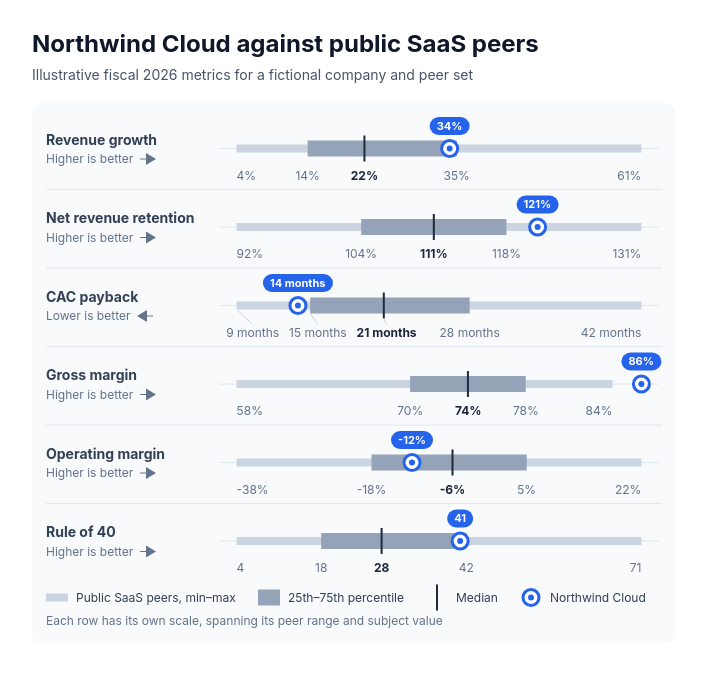 BenchmarkPlace one subject against a peer group's spread on two to eight metrics with different units: company or product benchmarks, a store or region against its network, salary or offer positioning against a market survey, a team or school against its organization.
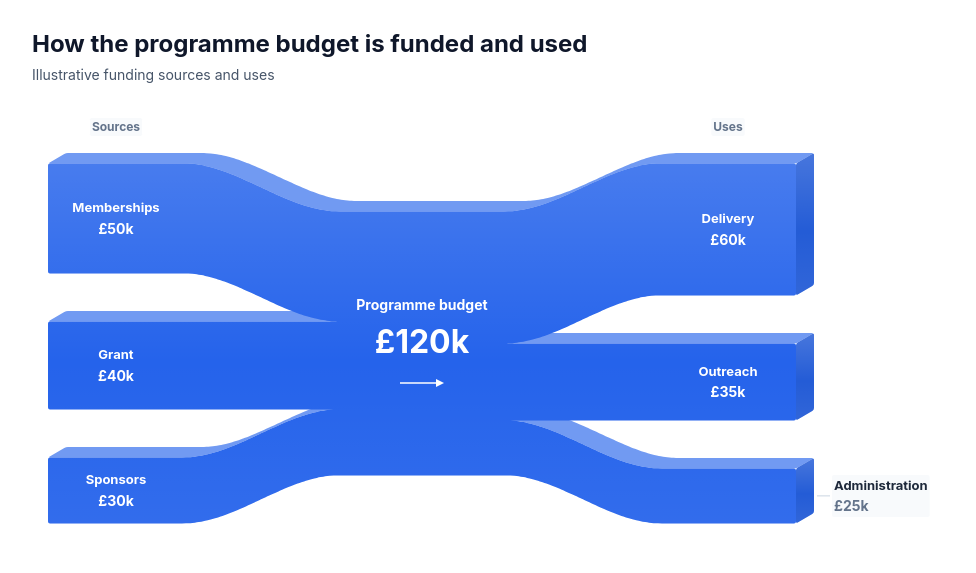 Conserved wholeTwo complete nonnegative marginal breakdowns of one positive common-unit total: funding sources and uses, staffing hours and work allocations, or energy supply and end uses.
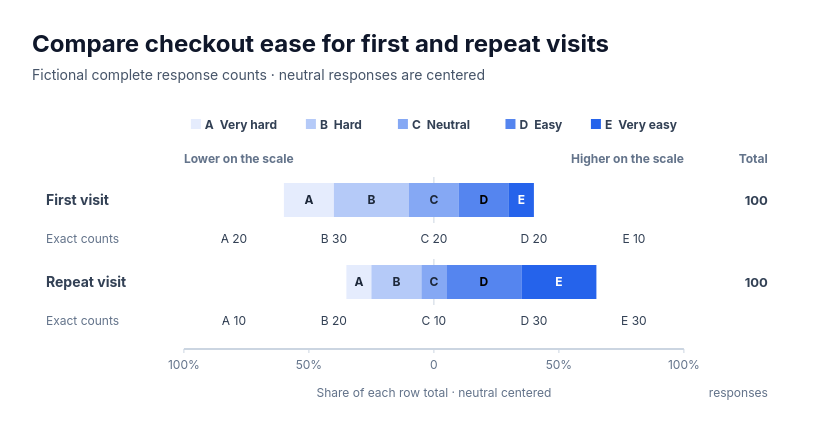 Chart: five-class ordered scaleFor complete supplied counts on one five-class ordered scale compared across two or three groups: survey agreement by segment, review star ratings by product, risk ratings by business unit, performance grades by team or difficulty ratings by release.
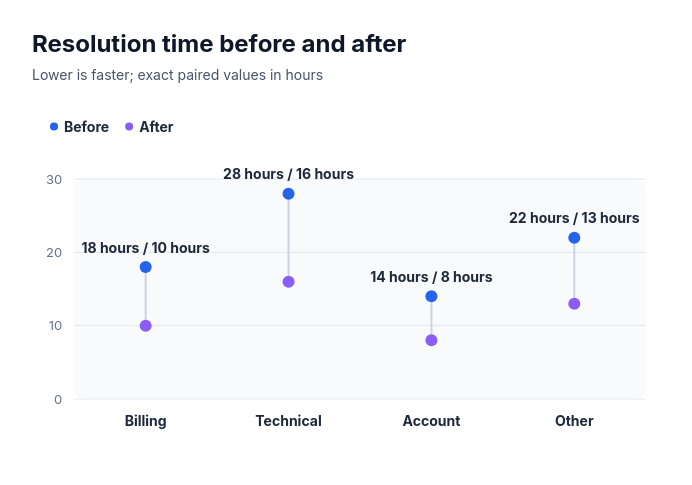 Dumbbell: vertical paired valuesCompare 2–8 paired signed finite before and after amounts as linked vertical points on one common axis.
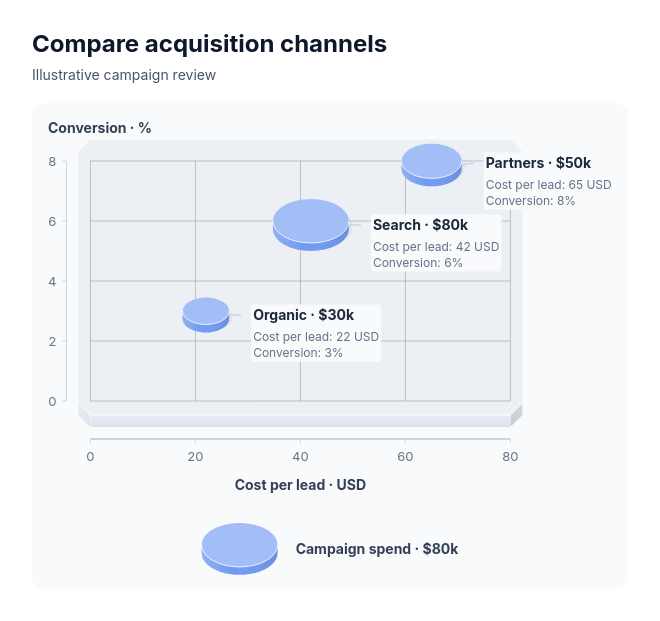 Bubble chartAcquisition channels by cost and conversion with spend, stores by traffic and sales with staffing, or products by growth and margin with revenue.